
Service
Dry Needling
Dry needling reaches the tight bands and trigger points inside a muscle that hands-on work alone can't always release, switching off the knot so the muscle can relax and move freely again.
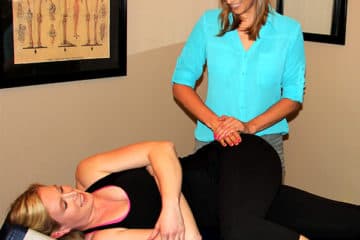
A thin, sterile filament needle is placed directly into the trigger point, the tight, irritable spot within a muscle that refers pain and limits motion. The brief 'twitch' response that follows is the muscle letting go.
Dr. Lindsay uses dry needling as one tool within a larger plan, often alongside soft-tissue work, adjusting, and corrective exercise, so the relief holds rather than returning a few days later.
What's involved
- Trigger-point dry needling
- Myofascial dry needling
- Targeted release of muscle knots and tight bands
- Paired with soft-tissue work and adjusting as needed
Helps with
- Muscle knots and trigger points
- Neck and shoulder tension
- Tendinopathy
- Calf, hip, and glute tightness
- Stubborn tightness that won't release
FAQ
Dry Needling, questions
Dry needling uses a thin filament needle to release tight muscle bands. Most people feel a brief twitch or ache rather than sharp pain, and soreness usually settles within a day.
No. Dry needling is based on Western musculoskeletal anatomy and targets specific trigger points to release muscle tension and relieve pain, rather than the meridian-based approach of traditional acupuncture.